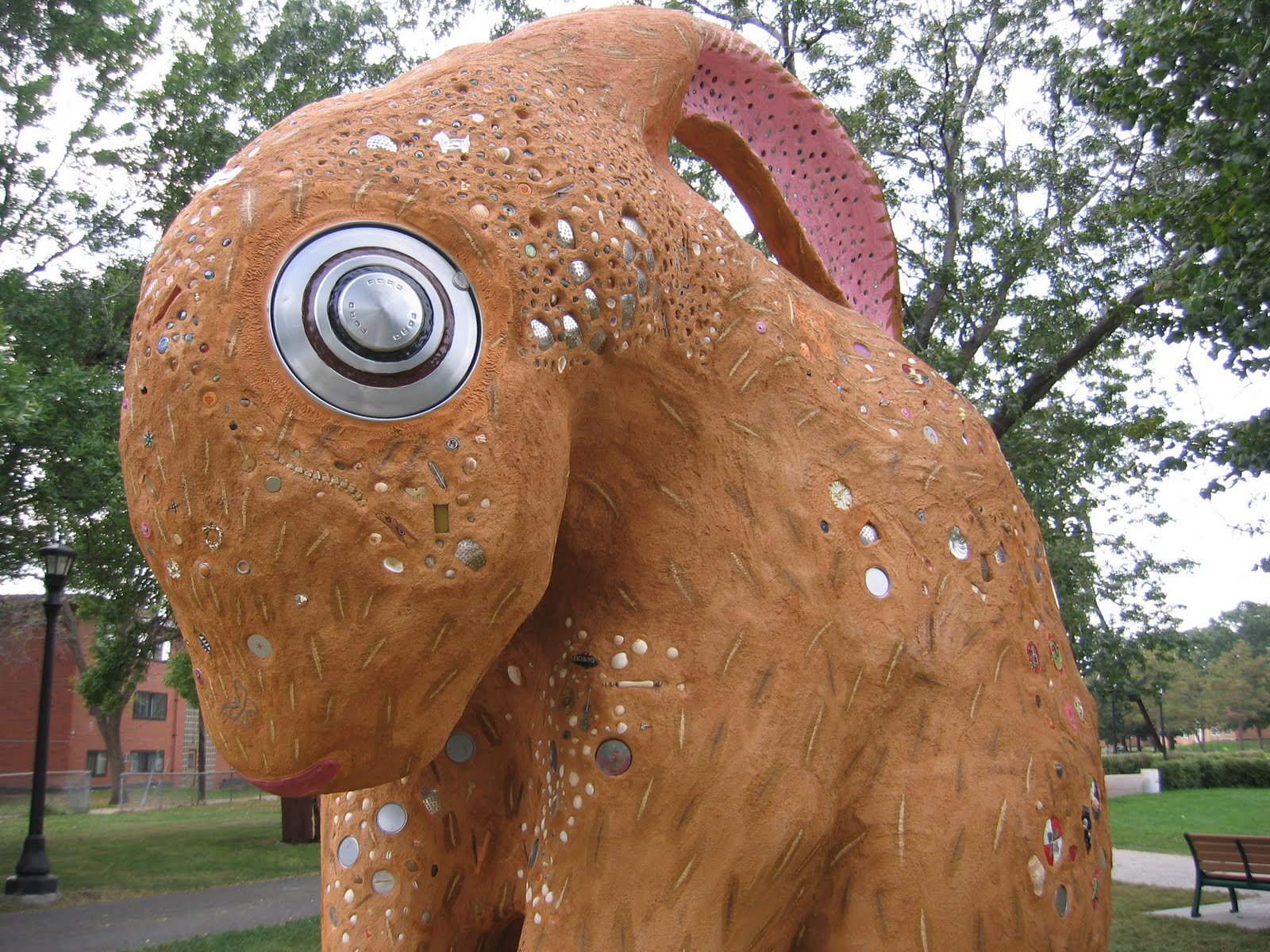
Write George Ewart Evans and David Thomson:. . . Belief in the transmigration of souls either into animals or other human beings seems at one time to have been universal. The thought behind it is familiar to us all and comes from observation. A parent can often see his/her dead father or mother not only in the character but in the gestures and facial expressions of his/her child and it is natural for anyone who lives among animals to observe in them traits that belong to people too. They were and sometimes still are, invested with human souls by imaginative sympathy; the lion has the dignity and courage of a noble person, the elephant wisdom and the long memory that goes with it, Swallows are skilled and spiritual. The hare is chosen for qualities as varied as its nature and has the soul of the sufferer, the fecund begetter, creator of arts, inventive dreamer, and, principally, of the person who is gifted with an intuitive leaping mind.
 In some societies it was not everybody’s soul that could enter an animal. Only the chosen – the wise elder or the child that was born to be a priest or shaman – possessed that power; they possessed it during their lives as well as after death. Like the witches they could shift their minds into paraphysical states, rendering themselves “beside themselves” as we say of people who have temporarily abandoned the controls of reason.The [following] ritual rhyme of the Scottish witches . . . describes a psychological transformation that went together with dressing up as a hare. In modern English it means:
I shall go into a hare
With sorrow and sigh
and (probably) mental torment.